
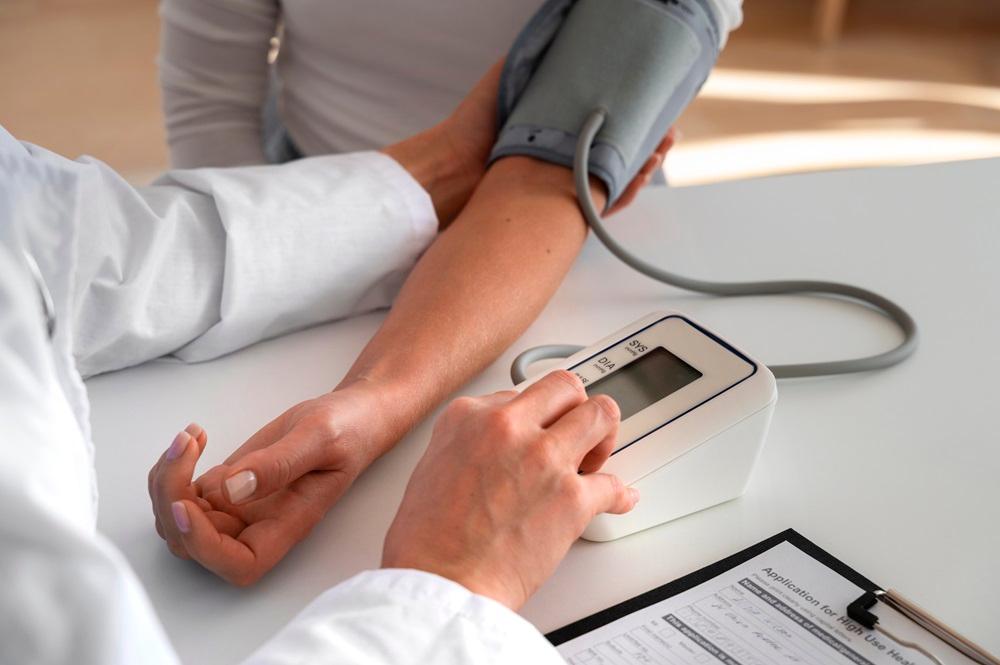
High blood pressure, or hypertension, affects millions worldwide and is a major risk factor for heart disease, stroke, and kidney issues. Keeping it in check—ideally below 120/80 mmHg—can significantly enhance your quality of life and longevity. This revamped guide draws from trusted health experts to outline practical, evidence-based approaches to managing blood pressure. We’ll cover key contributors, daily monitoring tips, and lifestyle tweaks, while incorporating fresh insights like the benefits of specific diets and lesser-known remedies.
What Influences Blood Pressure? Key Contributing Factors
Before diving into solutions, it’s helpful to understand the culprits behind elevated blood pressure. Genetics and age play roles, as do lifestyle choices. Chronic conditions like diabetes or sleep apnea can exacerbate it, and even temporary factors such as dehydration or high caffeine intake may cause spikes. Recognizing these helps tailor your approach— for instance, if stress is a trigger, prioritize relaxation techniques.
Start with Monitoring: Track Your Progress
A proactive step often overlooked is regular blood pressure checks. Home monitors are affordable and empower you to spot patterns. Aim for readings twice daily, in a calm state, and log them in an app or journal. This not only motivates adherence but also alerts you to when professional help is needed. Insight: Consistent tracking can reveal how factors like meal timing or exercise affect your levels, leading to personalized adjustments.
Nourish Your Body: Diet as a Foundation
Fueling with the right foods is a powerhouse for blood pressure control. Focus on the DASH (Dietary Approaches to Stop Hypertension) diet, which emphasizes nutrient-dense options to naturally reduce sodium’s impact.
- Cut back on sodium: Aim for under 2,300 mg daily (ideally 1,500 mg for those with hypertension) by ditching processed foods and using herbs for flavor.
- Boost potassium and magnesium: Load up on bananas, avocados, spinach, and nuts—these minerals help relax blood vessels.
- Incorporate heart-friendly foods: Add beets for their nitrate content, which can widen arteries; garlic for allicin, a natural vasodilator; and fatty fish like salmon for omega-3s to reduce inflammation.
- Choose whole foods over refined: Swap white rice for quinoa or oats, and opt for low-fat yogurt to maintain calcium balance without excess fats.
- Extra insight: Emerging research highlights probiotics from yogurt or fermented foods like kimchi, which may support gut health and indirectly lower blood pressure by improving nutrient absorption.
Hydration tip: Drink plenty of water (at least 8 glasses daily) to prevent blood thickening, which strains the heart.
Move More: The Power of Physical Activity
Activity isn’t just about burning calories— it strengthens your heart and improves circulation. Target 150 minutes of moderate exercise weekly, as recommended by health authorities.
- Cardio routines: Brisk walks, swimming, or cycling lower systolic pressure by up to 5-8 mmHg.
- Build strength: Incorporate weights or bodyweight exercises twice a week to enhance vascular health.
- Flexibility focus: Practices like yoga or tai chi not only stretch muscles but also combat stress, offering dual benefits.
- Bonus insight: Try high-intensity interval training (HIIT) for short bursts—studies show it can be more efficient for busy schedules, potentially dropping blood pressure faster than steady-state cardio.
Even simple habits like taking stairs count toward your goals.
Achieve Balance: Weight Management Essentials
Excess weight, especially around the midsection, forces your heart to work harder. Shedding even 5-10% of body weight can yield noticeable improvements.
- Calorie awareness: Use tools like apps to track intake without restrictive dieting.
- Mindful eating: Practice portion control with smaller plates and eat slowly to recognize fullness.
- Sustain it: Combine diet with activity, and weigh in weekly to stay accountable.
- Helpful addition: Intermittent fasting, when done safely, may aid weight loss and blood pressure by improving insulin sensitivity—consult a doctor first.
Calm the Mind: Effective Stress Reduction
Ongoing stress releases hormones that constrict vessels. Counter this with daily practices to foster resilience.
- Breathing and mindfulness: Deep belly breathing or apps for guided meditation can lower readings in minutes.
- Hobby time: Dedicate time to reading, gardening, or music to shift focus from worries.
- Social connections: Lean on friends or join support groups for emotional outlets.
- New perspective: Progressive muscle relaxation—tensing and releasing muscle groups— is a quick technique shown to ease tension and promote better sleep, which ties into blood pressure regulation.
Aim for 7-9 hours of quality sleep nightly; poor rest can mimic stress effects on your system.
Break Bad Habits: Alcohol, Smoking, and More
Certain behaviors directly sabotage your efforts. Quitting smoking can drop blood pressure within weeks, while moderating alcohol prevents spikes.
- Alcohol limits: Stick to one drink daily for women, two for men—or less if possible.
- Tobacco-free living: Use patches, counseling, or apps for support; benefits include better oxygen flow to tissues.
- Caffeine caution: If sensitive, cap at 200-300 mg daily (about 2 cups of coffee) to avoid temporary hikes.
- Insightful add-on: Herbal teas like hibiscus have shown mild blood-pressure-lowering effects in studies, making them a soothing alternative to caffeinated drinks.
A Comprehensive Path Forward
Tackling blood pressure holistically—through monitoring, smart nutrition, movement, weight control, stress management, and habit shifts—empowers you to lead a vibrant life. Small, consistent changes often yield the biggest results. Always partner with your healthcare provider for tailored advice, especially if you’re on medications or have underlying conditions. With these strategies, you’re not just managing symptoms—you’re building lasting wellness.