
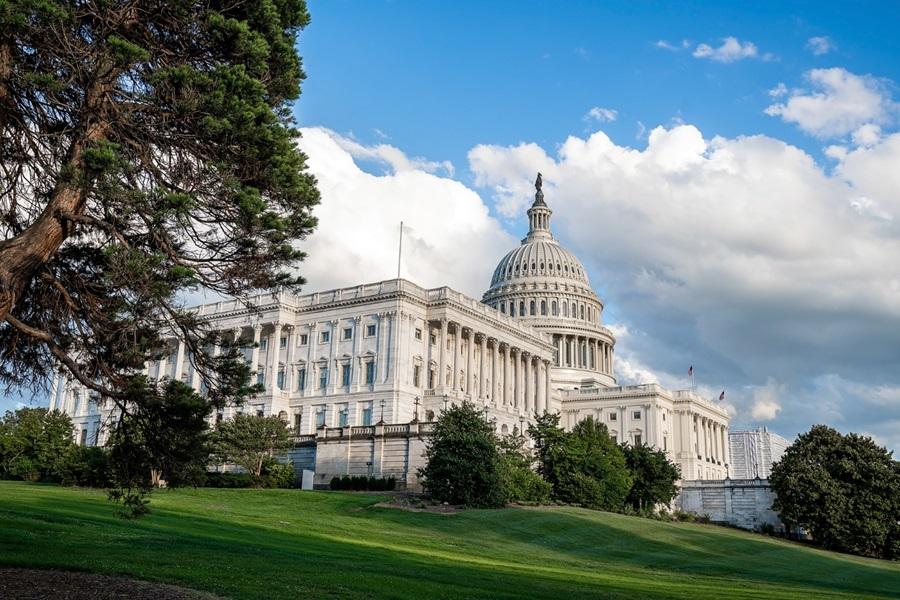
The United States federal government entered a partial shutdown on October 1, 2025, at 12:01 a.m. EDT, after Congress failed to pass appropriations legislation for fiscal year 2026, which began that day. As of October 7, 2025, the shutdown is in its seventh day, with no resolution in sight following repeated failed votes in the Senate on competing funding proposals. This marks the 11th government shutdown in modern U.S. history and the third during a Trump presidency.
Background and Causes
Government shutdowns occur when Congress does not approve funding for federal agencies before the end of the fiscal year on September 30, leading to a lapse in discretionary spending authority for non-essential operations. In this case, the shutdown stemmed from the expiration of a prior continuing resolution that had funded operations through September 30, 2025. Partisan disagreements centered on federal spending levels, proposed rescissions (cuts) to foreign aid and other programs totaling around $9 billion approved earlier in the year, and the extension of Affordable Care Act (ACA) health insurance subsidies set to expire at year’s end.
Republicans, led by figures like House Speaker Mike Johnson and President Trump, advocated for a “clean” short-term continuing resolution to maintain current funding levels without additional provisions, while supporting rescissions to reduce government size. Democrats, including Senate Minority Leader Chuck Schumer, pushed for including extensions of ACA subsidies to protect health coverage for millions and opposed the rescissions, arguing they undermined prior agreements. Negotiations, including a White House meeting on September 29, failed to bridge the gap, leading to Senate rejections of both parties’ proposals on multiple occasions, including as recently as October 6.
Current Status
The Senate has rejected funding bills multiple times, with the latest failures on October 6 for both a Republican plan extending funding to November 21 and a Democratic version including subsidy extensions. The Republican-led House is not in session and has no immediate plans to reconvene until a deal is reached. President Trump has signaled potential openness to negotiating on subsidies but also emphasized using the shutdown to pursue agency cuts, including threats of mass layoffs, though the White House clarified no such layoffs have occurred yet—only furloughs. Labor unions have filed lawsuits challenging planned reductions in force as illegal. The standoff has frozen about $1.7 trillion in agency funds, roughly one-quarter of annual federal spending.
What People Need to Know
- Back Pay for Workers: Furloughed federal employees and those working without pay are entitled to retroactive compensation once funding is restored, per the Government Employee Fair Treatment Act of 2019.
- Essential Services Continue: Critical operations, including military pay and duties, Social Security and Medicare benefits, TSA screenings, border security, and emergency response, are funded through prior appropriations or exemptions and will proceed, though some staff may work unpaid.
- Resolution Possibilities: Shutdowns can end abruptly with a bipartisan agreement on a continuing resolution or full appropriations bills. Historical precedents show they often resolve after public pressure or economic strain builds.
- State and Local Support: Some states are stepping in to cover short-term gaps, such as funding for nutrition programs or unemployment benefits for affected workers.
- Public Blame and Polls: Surveys during the shutdown show divided opinions, with more respondents attributing responsibility to Republicans (e.g., 47% vs. 30% for Democrats in one poll), though pre-shutdown polls indicated similar trends.
Individuals relying on federal services should monitor official agency websites for updates, as communications may be delayed due to furloughs.
How It Might Affect Day-to-Day Life
While many routine activities remain unaffected, the shutdown disrupts non-essential federal functions, potentially rippling into everyday routines:
- Federal Employees and Military: Around 900,000 civilian federal workers are furloughed, and 700,000 more, including essential personnel, are working without immediate pay—leading to delayed paychecks (e.g., military on October 15, civilians on October 24). This could strain household finances, with some qualifying for unemployment or state aid.
- Travel and Airports: Staffing shortages among air traffic controllers have caused flight delays at major hubs like Newark, Phoenix, and Denver; TSA operations continue but may face similar pressures. Passport and visa processing is halted, delaying international travel plans.
- National Parks and Recreation: Parks remain accessible for basic entry (e.g., roads and trails), but visitor centers, restrooms, and safety updates are limited due to furloughs of about half the National Park Service staff—raising risks of vandalism, accidents, or resource damage without supervision. Some sites may close if states don’t provide funding.
- Health and Nutrition: Medicare and Medicaid benefits continue, but program communications and new enrollments may be delayed. The WIC program, serving millions of mothers and children, risks suspension after two weeks without federal funds, though states may bridge gaps temporarily; SNAP benefits are secure for October but vulnerable longer-term.
- Taxes and Finances: IRS operations run for five business days post-shutdown (until October 8), after which processing of returns, refunds, and payments could halt; tax filing deadlines remain. Economic data releases, like jobs reports, are delayed, potentially affecting markets and personal financial decisions.
- Other Services: New federal loans, grants, and housing assistance (e.g., flood insurance claims) are paused; research at agencies like NIH and NASA is curtailed, though critical missions continue. Broader economic effects could include slowed GDP growth if prolonged.
The duration remains uncertain, but prolonged shutdowns amplify these disruptions. Residents are advised to prepare for potential delays in federal interactions and check local resources for support.